![[BRACKETS]](https://www.brackets-ch.com/wp-content/uploads/2026/06/BRACKETS-LOGO-white-01-01.png)
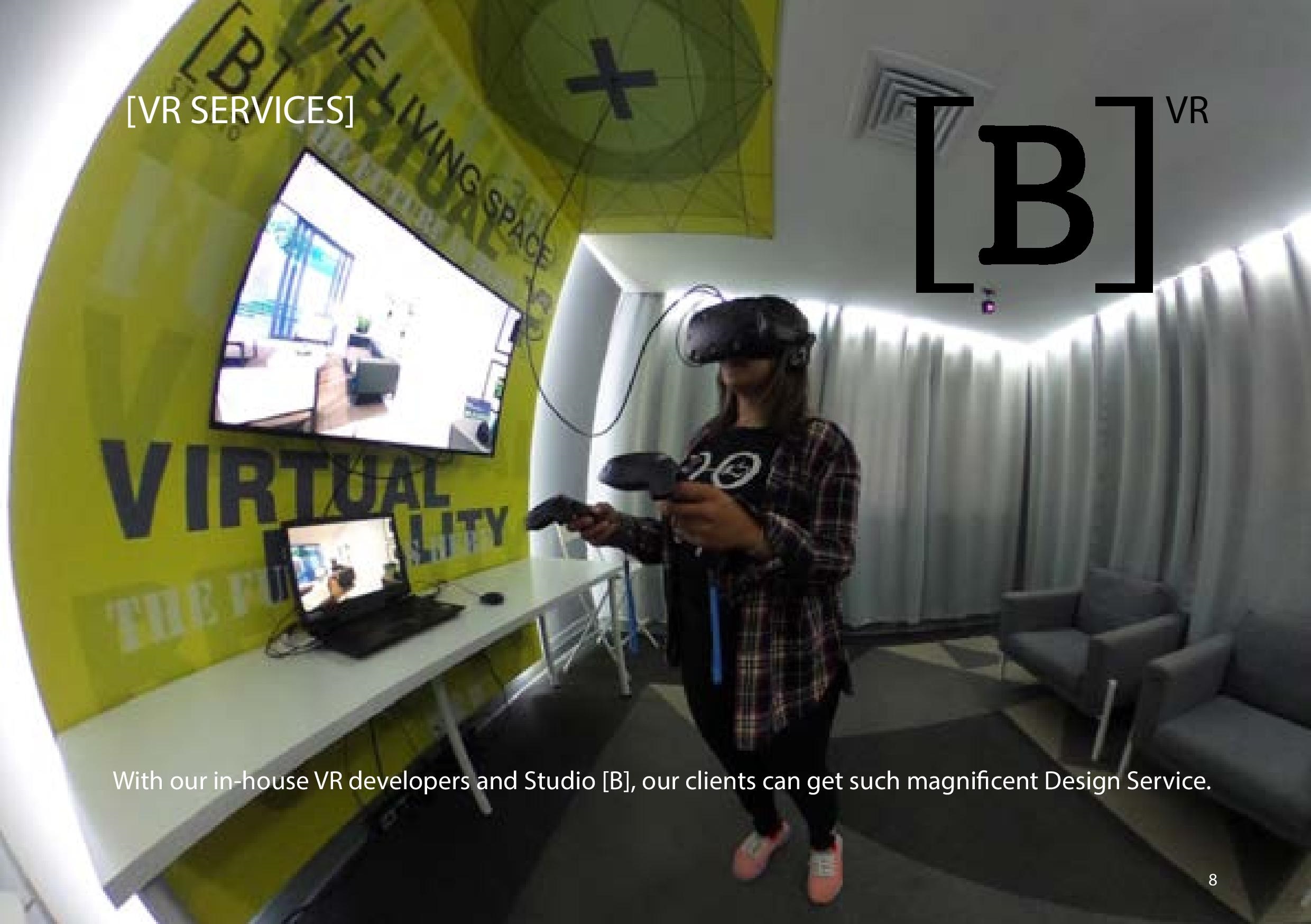
The sensation of actually being inside a building makes VR an incredibly powerful tool for communicating design intent.
Clients, in particular, often don’t have the ability to understand spatial relationships and scale simply by looking at a 2D plan or 3D model.
VR can evoke a visceral response in exactly the same way that physical architecture can.
We just had a client where we were showing some conceptual renderings and they were having a hard time [understanding the building], the second we put VR headset on them, it was like, ‘Oh yeah. Build that. That’s great. That’s what I want.’”
VR can play an important role at all stages of the design-to-construction process, from evaluating design options and showcasing proposals, to designing out errors and ironing out construction and serviceability issues before breaking ground on site.